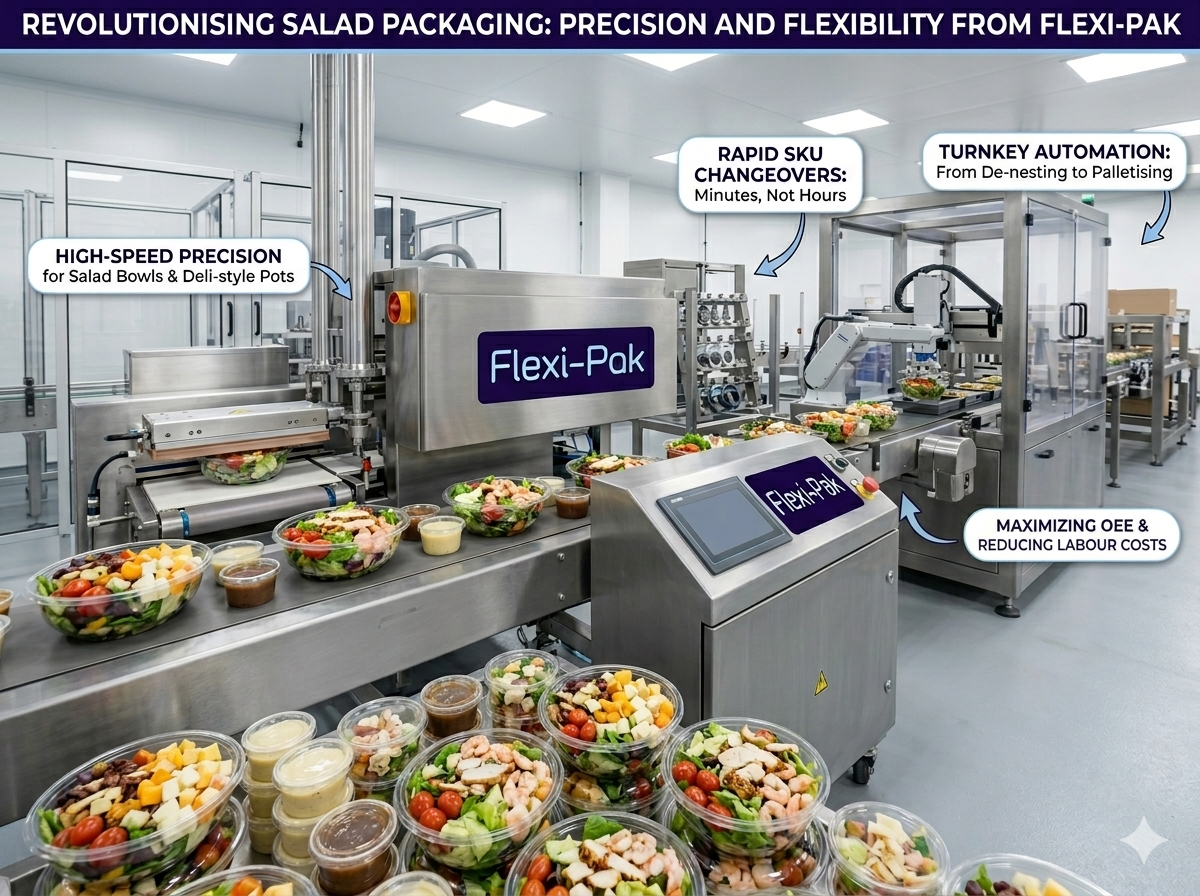
In the fast-paced world of fresh produce, particularly the salad sector, the window between harvest and the retail shelf is unforgivingly narrow. For engineering managers and project managers, the challenge is two-fold: maintaining the delicate structural integrity of the product while maximising throughput and minimising downtime.
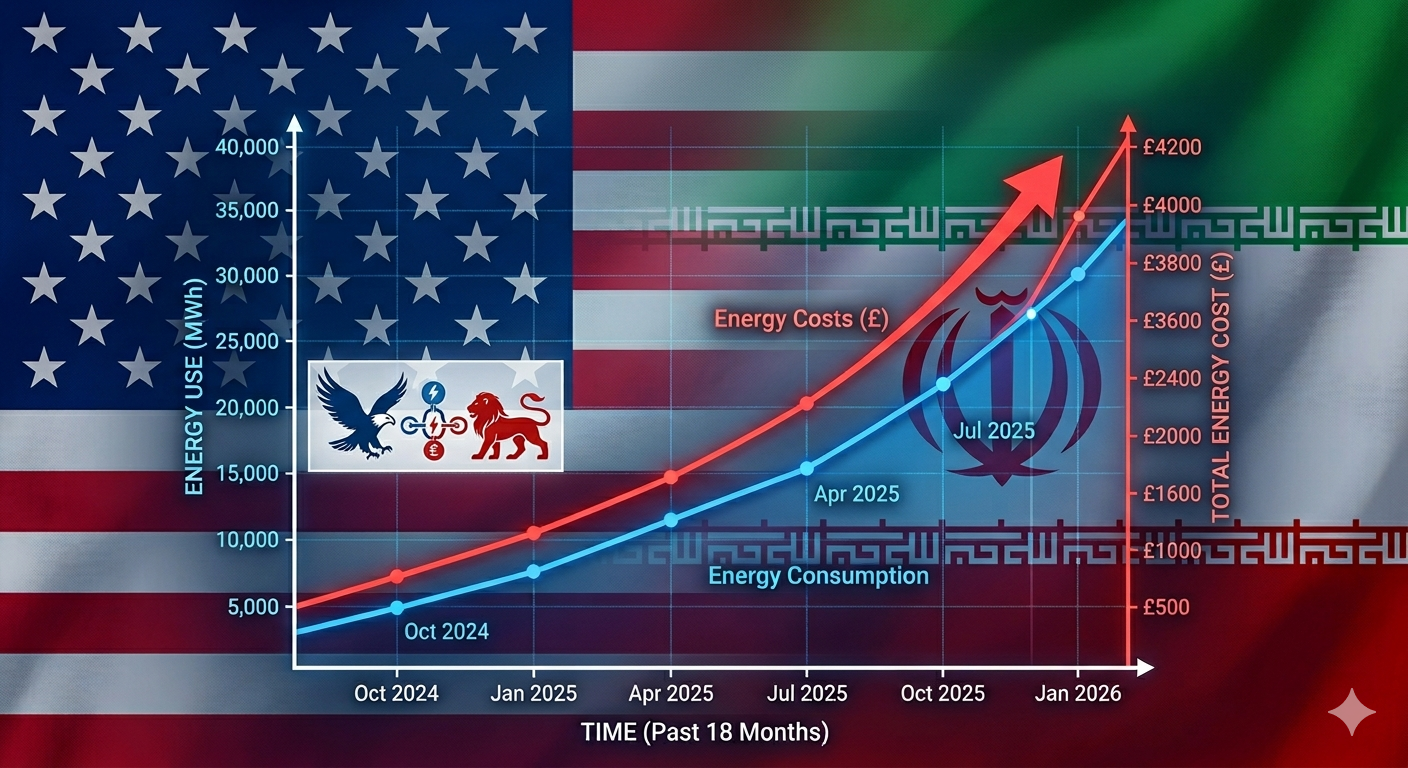
With fresh tensions in the Middle East pushing oil and gas prices higher, many UK manufacturers are staring down the barrel of increased energy bills. For food producers already juggling tight margins, labour pressures and retailer demands, the impact on packing lines can be particularly sharp. Conveyors running constantly, compressed air systems, case sealers and palletising equipment all add up – and every extra pence per kilowatt-hour soon eats into profitability.
If you’re running a growing food manufacturing company, there will come a point where manual packing just can’t keep up, and automated end-of-line packing is not just a nice-to-have but becomes essential. When transitioning to an automated solution, it is vital that your new packing line be future-proof.