Helping Food Manufacturers Prepare For Growth: Now And In The Future

19 January 2026

If you’re running a growing food manufacturing company, there will come a point where manual packing just can’t keep up, and automated end-of-line packing is not just a nice-to-have but becomes essential. When transitioning to an automated solution, it is vital that your new packing line be future-proof.

Future-proofing your move from manual to automated packing starts with clear thinking about your products, your growth plans and how easily your new line can adapt to change. Flexi-Pak’s **modular** machinery and end-to-end project support are designed specifically to help UK food producers scale without constant reinvestment.


Product and pack format

Before choosing any machinery, define exactly what you pack today and what you might pack tomorrow. This avoids buying a line that is “maxed out” on day one.


  • Map your full product range: viscosities, particulates, fill temperatures, allergens, clean-label variants and seasonal SKUs.
  • Make a list of your current and future pack formats: pots, trays, skillets, cartons, foils and lids, plus likely size changes as ranges expand.
  • Consider branding and retail requirements: lid films, pre-cut foils, multi-compartment packs and shelf-ready outer cases.


We supply a wide range of machines, including rotary and linear pot-filling, heat-sealing, and lidding machines, as well as pot, tray, skillet, and lid de-nesters. By offering a wide range of products and formats that can be integrated seamlessly into a line, our clients need only one supplier, saving them money and time at the point of installation and in the future as they expand or their line needs servicing.


Capacity and flexibility

A future-proof line should run efficiently at today’s volumes while maintaining headroom for tomorrow’s orders. Over-specifying slightly is usually cheaper than replacing equipment early.


  • Define realistic throughput: target packs per minute for year one, then rework the line layout so critical machines can handle at least 30–50% extra.
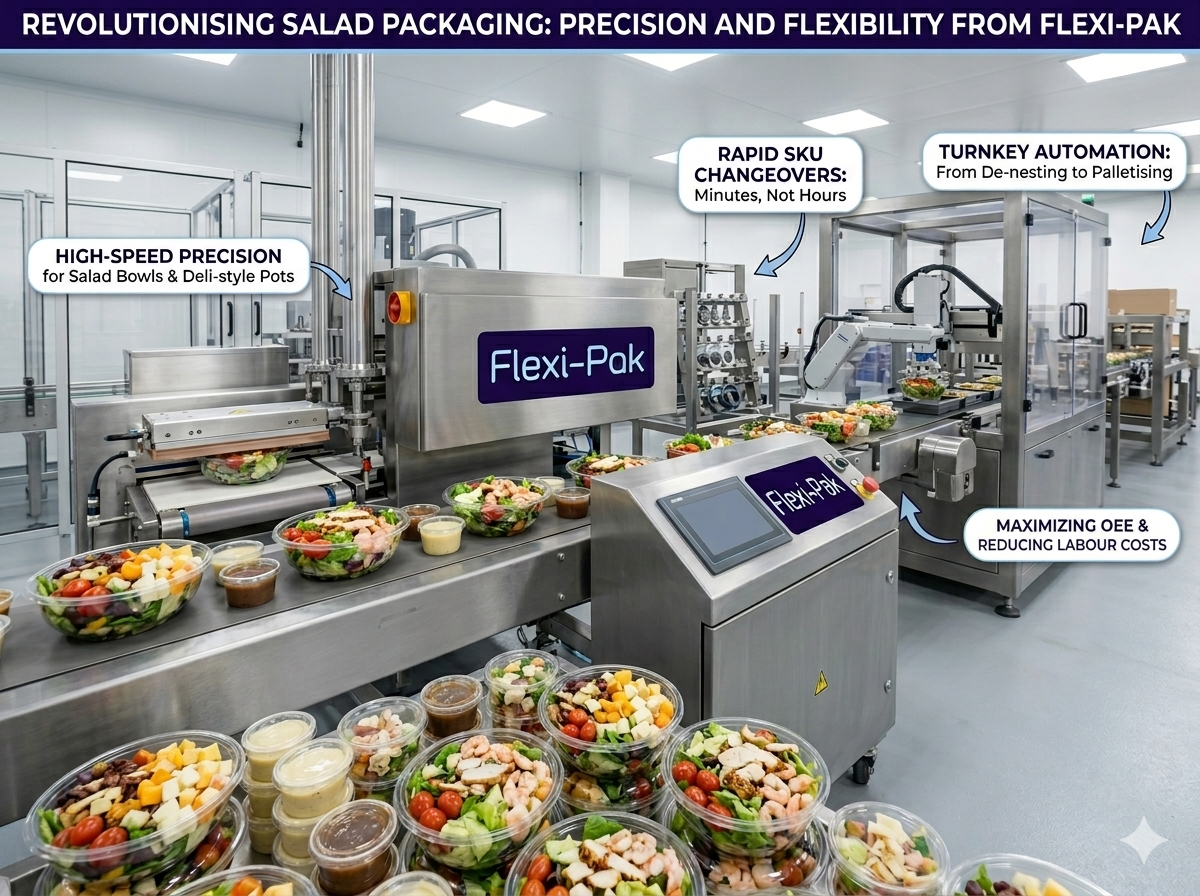
  • Prioritise rapid size changeovers and recipe recall so operators can switch between SKUs in minutes rather than hours.
  • Choose modular systems that let you add stations later (extra fillers, additional lanes, new collators or case packers) without installing a whole new line.


Our rotary and linear fillers, product depositors and conveyors are designed for high flexibility, fast changeovers and instant recipe recall, making them suitable for short runs and frequent promotions.


Integrate end-of-line and automation

When moving from manual to automated packing, bottlenecks often simply shift downstream. A line is only as strong as its end-of-line systems.


  • Look beyond filling and sealing to case packing, collation, labelling and palletising, ensuring each stage can match or exceed upstream speeds.
  • Plan for retail-ready packaging: case orientation, tray counts, and mixed packs for club stores or foodservice.
  • Consider robotics early: pick-and-place arms and servo-operated systems can de-skill repetitive tasks while improving presentation and consistency.


We’re experienced in developing end-of-line packing systems that feature robot arms or multi-axis servo arms to pick and place products into cases, boxes or trays, with optional case erectors, sealers and palletising as part of a turnkey solution.


Hygiene, compliance and uptime

Food producers cannot compromise on hygiene or regulatory compliance when automating. The right machine design makes cleaning and audits much easier over the life of the line.


  • Specify full stainless steel construction and food-grade plastics, with easy access for cleaning and minimal dirt traps.
  • Ensure guarding, interlocks, and control systems meet current standards while being ready for future retailer and British Retail Consortium (BRC) and Global Food Safety Initiative (GFSI) expectations.
  • Plan maintenance from day one: ready access to spares, clear service intervals and remote support can dramatically reduce unplanned downtime.


Our machines are fully manufactured in stainless steel, built to strict hygiene standards and supplied with 12-month guarantees, with planned maintenance programmes, upgrades and comprehensive spares and engineer support available long term. And, as we’re based in the UK, we can be with you quickly if an emergency occurs.


A partner, not just a supplier

For many food manufacturers, the shift from manual to automated packing is as much about people and process as it is about machinery. A partner who understands line design, project management and lifecycle support can de-risk the transition.


  • Look for in-house engineering, PLC programming and bespoke software skills so your line integrates cleanly with existing equipment and factory systems.
  • Favour suppliers who offer turnkey project management: from 3D design and line layout through installation, commissioning, training and handover.
  • Check their track record across sectors similar to yours, such as dairy, meat, ready meals, bakery, soups and convenience foods.


We offer bespoke design-and-build services, turnkey installations, line moves, machine upgrades and overhauls, backed by project management and on-site engineering support, giving food producers a single, accountable partner as volumes grow.


If you are reviewing your current manual packing operation and want to explore how an automated line could support your next stage of growth, and need any help or advice, please don't hesitate to contact us – call 01427 612869 or email info@flexi-pak.co.uk
10 December 2025
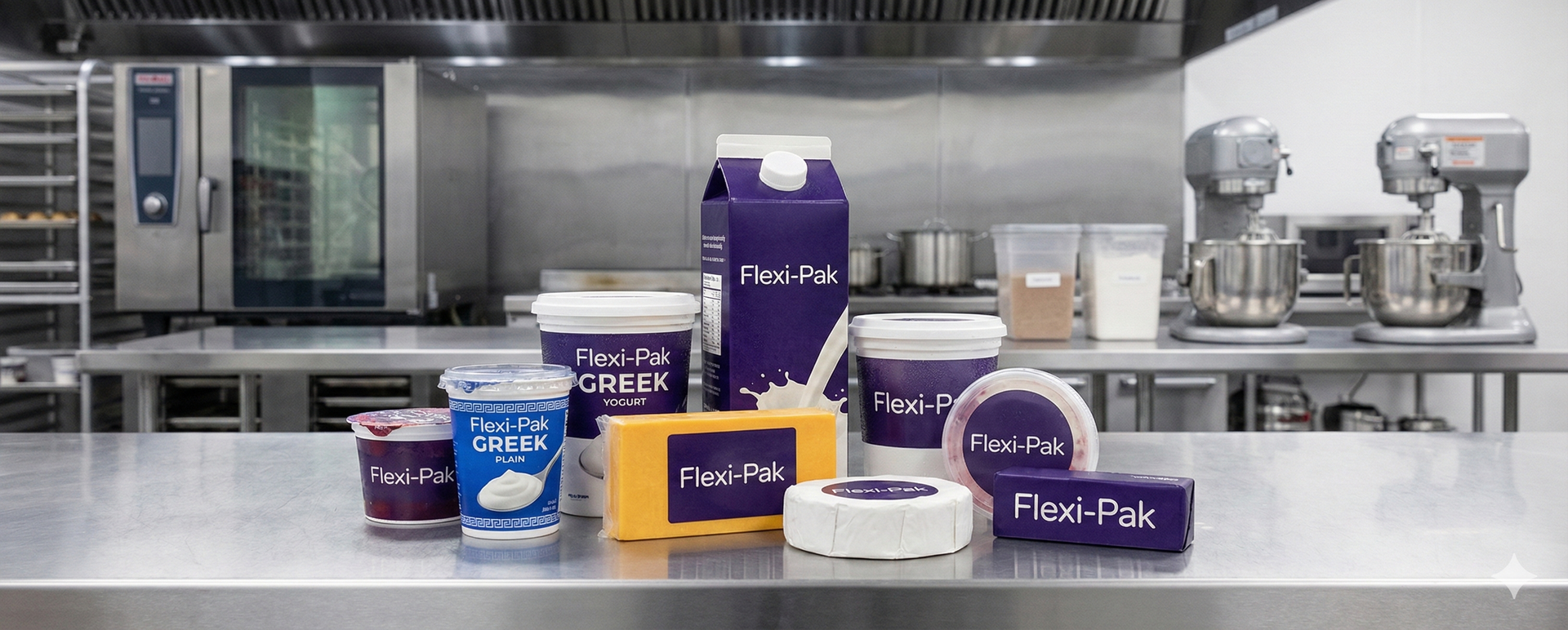
Commercial dairy producers face intense pressure to keep products safe, fresh and attractively presented while controlling costs, managing labour shortages and meeting retailer and retailer audit standards.
26 November 2025
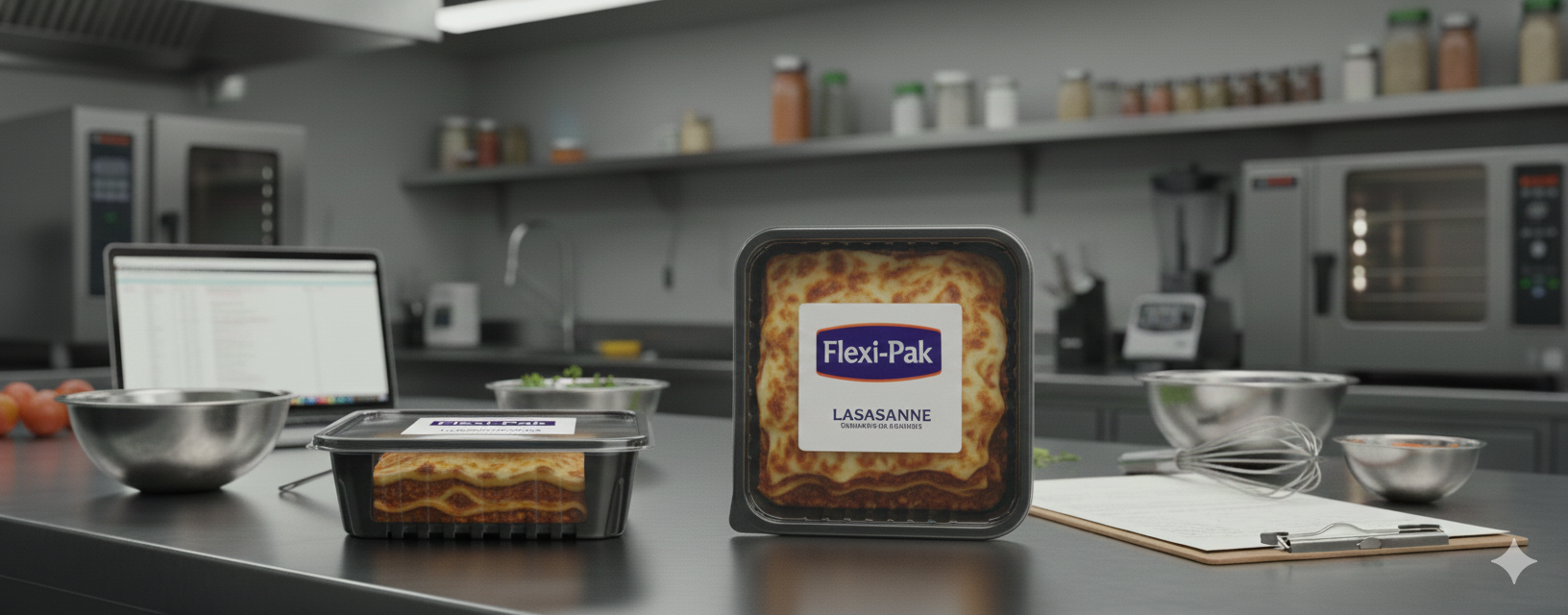
UK ready meal manufacturers are facing a perfect storm of evolving consumer appetites, sustainability imperatives, and rigorous retail demands. In this landscape, the packaging line is where a good product becomes a great proposition – and where specialist engineering from companies like Flexi-Pak can make a significant difference. Fit for the Chiller: Packaging Trends and Essential Considerations Whether it's meal pots, trays, or pouches, manufacturers planning a new packaging line for convenience foods or ready meals have several priorities to juggle. First is flexibility: with line downtime costly and supermarket orders increasingly variable, engineers require equipment capable of rapid changeovers and instant recipe recall. Flexi-Pak, a UK packaging machinery manufacturer based in Gainsborough, was established to develop precisely this type of end-of-line packaging machinery. The company offers a wide range of machinery designed with high modularity and user-friendly interfaces for operators who need to adjust runs on the fly. Hygiene is also paramount. Machinery built primarily from stainless steel and food-grade plastics – as is the case with all Flexi-Pak's equipment – has become the norm, reflecting not just industry regulations for high-care environments but also mounting consumer concerns about food safety. Retailers and meal brands are also laser-focused on presentation and shelf life. Modified Atmosphere Packaging (MAP), vacuum-seal solutions, and skin packs are being used to lock in freshness and maximise shelf life. The latest solutions, like vacuum-packed foil trays, seek to balance shelf appeal with practicality, allowing meals to be cooked directly in the packaging and displayed vertically – a common feature in the chilled aisle. Engineering in Practice: The Flexi-Pak Approach Flexi-Pak has developed an extensive range of machinery which can be customised and modified to suit each application and installation. When it comes to convenience foods and ready meals, Flexi-Pak offers: - Rotary and linear pot filling machines – capable of handling everything from creamy risottos to hearty stews - Tray and skillet de-nesters and lidders for rapid throughput - Deposit systems for both liquid and dry ingredients - Conveyors and end-of-line systems , including robotic case packing and tray loading - Custom-built conveyors, carton erectors, and sealers to maximise throughput and protect delicate products As well as in-house engineering, design, development and installation, the Flexi-Pak's directors' vision when establishing the company was to provide exceptional after-sales support to its customers. By carrying large volumes of spare parts and offering rapid response times to support calls, Flexi-Pak now has a reputation not only for delivering bespoke engineering solutions that offer incredible efficiency but also for a level of after-sales support uncommon in the food industry. As the ready meals category continues to evolve, with new trends emerging in taste, nutrition, and convenient formats, the pressure on engineering departments to develop efficient and reliable packaging lines will only grow. The team at Flexi-Pak believe that those who invest in future-proof, hygienic, and easily upgradable systems will be best placed to meet these challenges. If you're considering investing in a new packing line for ready meals or convenience foods and would like some help and advice please don't hesitate to email us or call 01427 612869.
13 November 2025
Rotary pot filling machines are commonplace in modern food and beverage packaging, offering speed, precision and flexibility for manufacturers seeking to automate the filling and sealing of pots, tubs and cups. his is a subtitle for your new post
23 October 2025
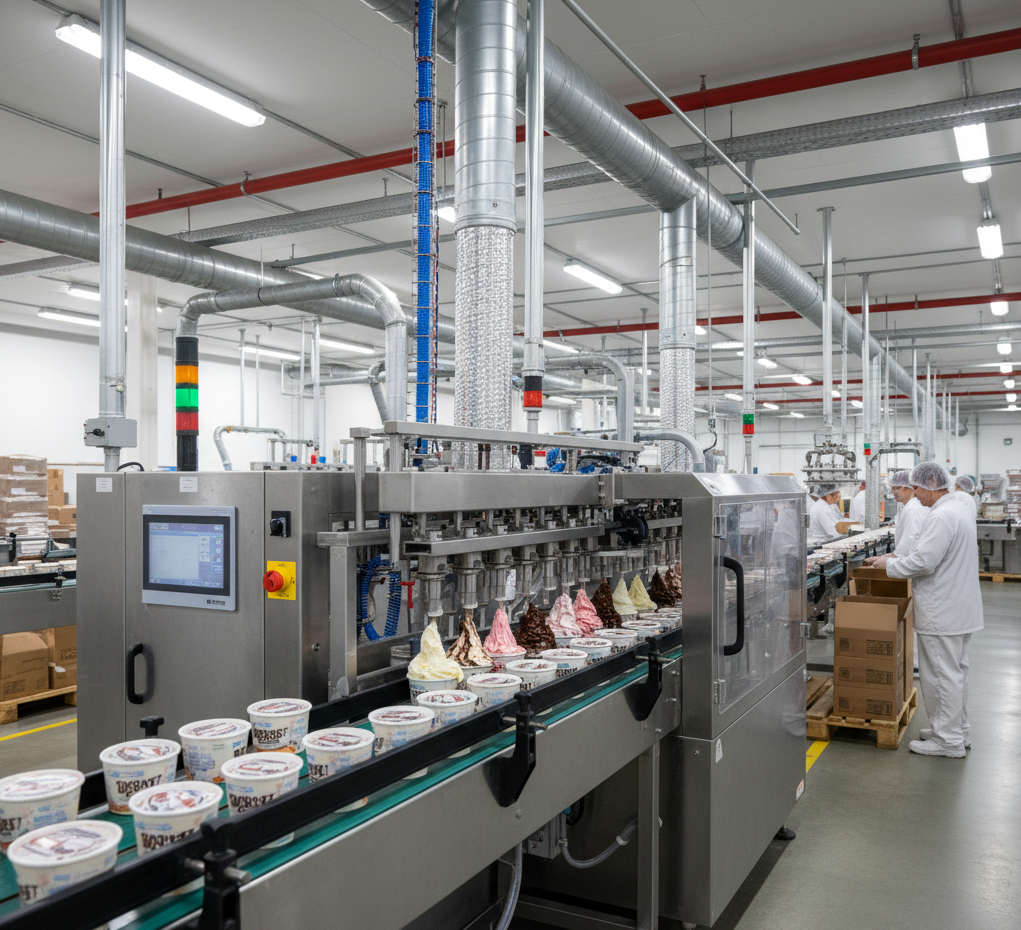
Ice cream packaging sits at the crossroads of product quality, operational efficiency, and brand presentation. For manufacturers, the challenge is not only to protect texture and taste but also to deliver fast changeovers, hygienic cleaning, and eye-catching branding.
16 October 2025
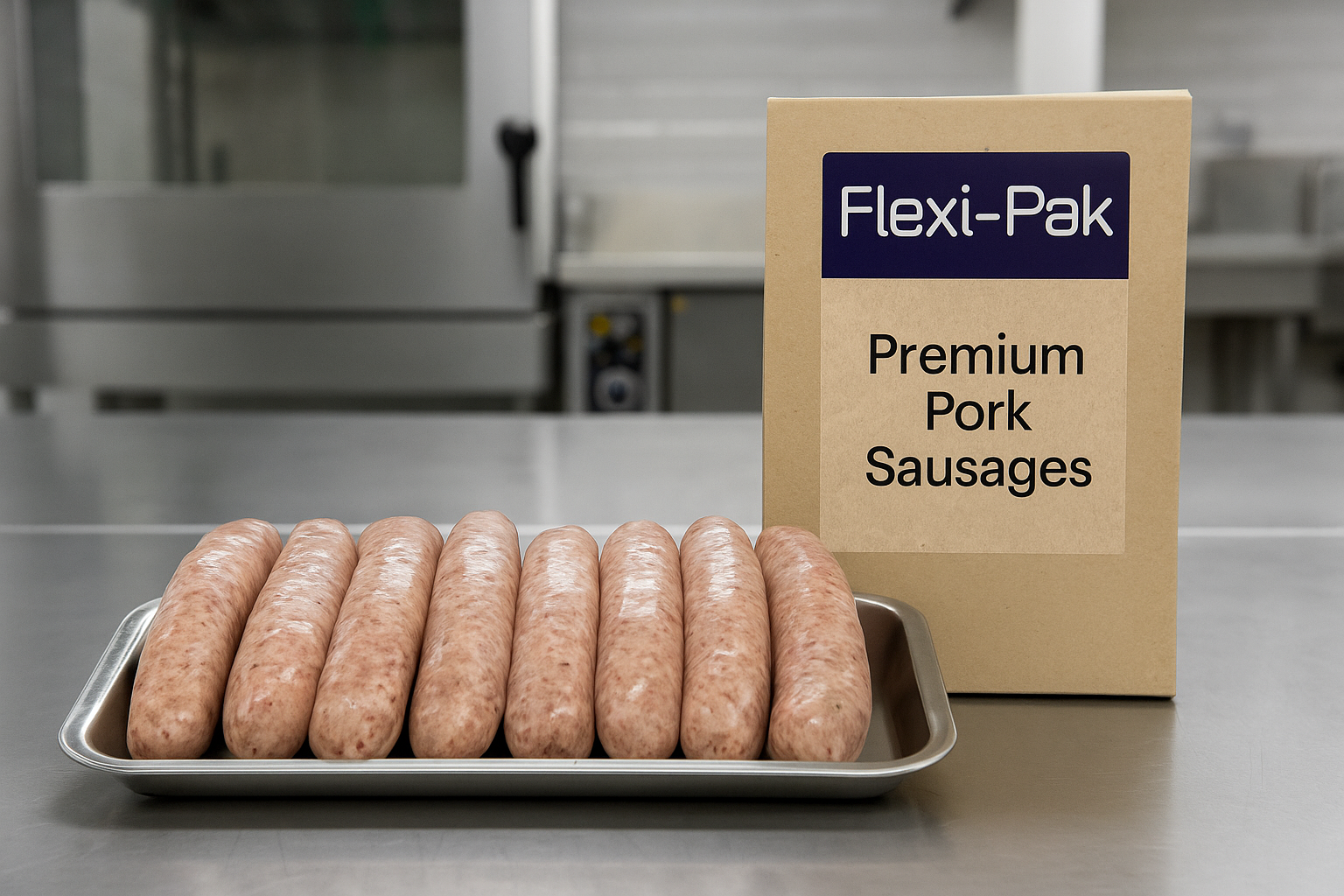
Specifying a sausage collator machine for mass production requires a careful evaluation of operational needs, production scale, flexibility, and long-term cost considerations, as we know only too well here at Flexi-Pak.
pie filling machines
8 October 2025
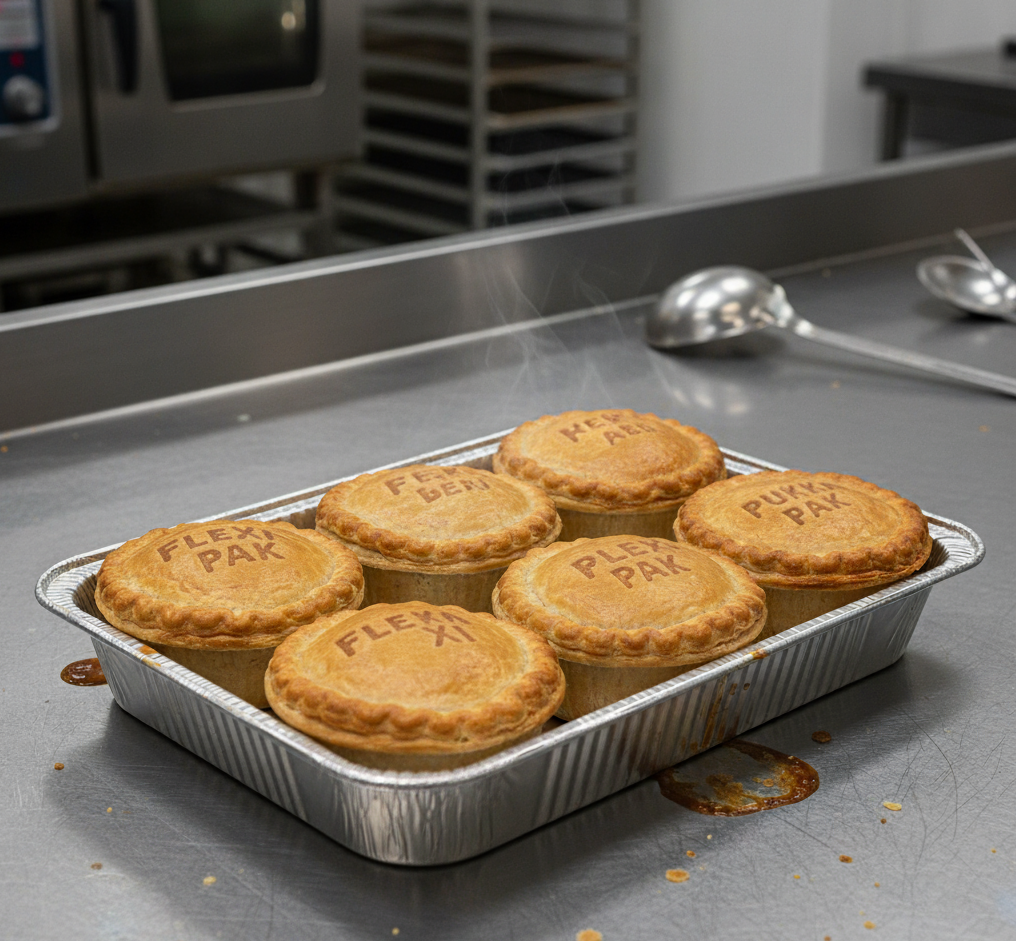
Commercial pie makers scaling up production face multiple challenges when it comes to packing their products – thankfully, Flexi-Pak has a wealth of experience to draw upon in this sector. From maintaining hygiene and product consistency to handling rapid changeovers and integrating increasing automation, growing pie producers have a lot on their plate. However, by working with Flexi-Pak and utilising the company's bespoke machinery solutions, pie producers with an eye on expansion don't have to worry. Key Packing Issues for Scaling Pie Makers Expanding pie production leads to higher volumes, a wider range of products, and stricter food safety standards. Major challenges include: Efficient portioning and filling: Achieving uniform pie weights and fillings at speed, especially across diverse product lines. Maintaining product integrity: Preventing pastry deformation and ensuring accurate placement, especially during high-speed operation. Rapid changeover between products: For seasonal pies or SKU variety, downtime must be minimised, with tooling swaps and cleanouts fast and simple. Traceability and recipe management: Scaling up requires robust controls for instant recipe recall and compliance with food regulations. How Flexi-Pak Machines Address These Needs Flexi-Pak offers a comprehensive range of packaging and pie-making machines, all designed and manufactured from its Gainsborough site. Rotary and linear pot/pie filling machines: Engineered for precision portioning, these models automate the filling of pie shells, supporting wet and dry ingredients. Automated pie-making lines (fully and semi-automatic): Mechanical systems are designed for consistent filling, crimping, and lidding, reducing manual effort and error in pie assembly. Stainless steel construction with food-grade plastics: Enables easy cleaning and strict hygiene compliance while withstanding intensive production cycles. PLC-controlled automation: Custom software provides instant recipe recall, production parameter programming, and rapid size changes for various pie formats. Denesters and depositors: Mechanically sort and feed pie containers, foils, or pre-cut lids, handling varying sizes and packing styles to prevent jams or cross-contamination. Technical and Mechanical Advantages As you would expect from a leading manufacturer that has worked with some of the largest pie makers in Britain, Flexi-Pak's machines offer several technical and mechanical advantages compared to the competition. Rapid changeover capability: Flexi-Pak's machines feature modular change-part tooling, allowing operators to quickly shift between pie sizes or recipes, essential for batch production. Integrated conveyor systems: These transfer pies efficiently between stations—whether filling, lidding, or final packing—while preserving alignment and reducing product handling damage. High flexibility: Suitable for pies with different fillings, sizes, and even crust types, Flexi-Pak solutions can be programmed and reconfigured as production demands change. Custom design and upgrades: Flexi-Pak engineering services provide retrofits and bespoke adaptations for new recipes, tray formats, or compliance upgrades to support expanding pie businesses. More Than Machines While there is no doubt that Flexi-Pak's machines are built to exacting standards and deliver exceptional reliability and efficiency, there are additional factors to consider when deciding which company to partner with when installing a new pie packing line or improving the performance of an existing one. Turnkey project management: Can the company you're considering undertake complete line installations, including planning, machine design, and commissioning, minimise scaling headaches. Flexi-Pak is proven in this area, having undertaken several end-to-end projects for pie makers. Engineering maintenance and cover: Can the company you're considering provide ongoing support, similar to Flexi-Pak's team, which offers ongoing machine servicing to ensure maximum uptime and reliability? Spare and consumable parts: Finally, if you need a spare part, then you want it quickly. By maintaining a large in-house stock of parts, Flexi-Pak keeps downtime to a minimum. Flexi-Pak always has stock available. If you're a commercial pie maker planning to increase your capacity or modernise and need any help or advice, please don't hesitate to contact us – call 01427 612869 or email info@flexi-pak.co.uk
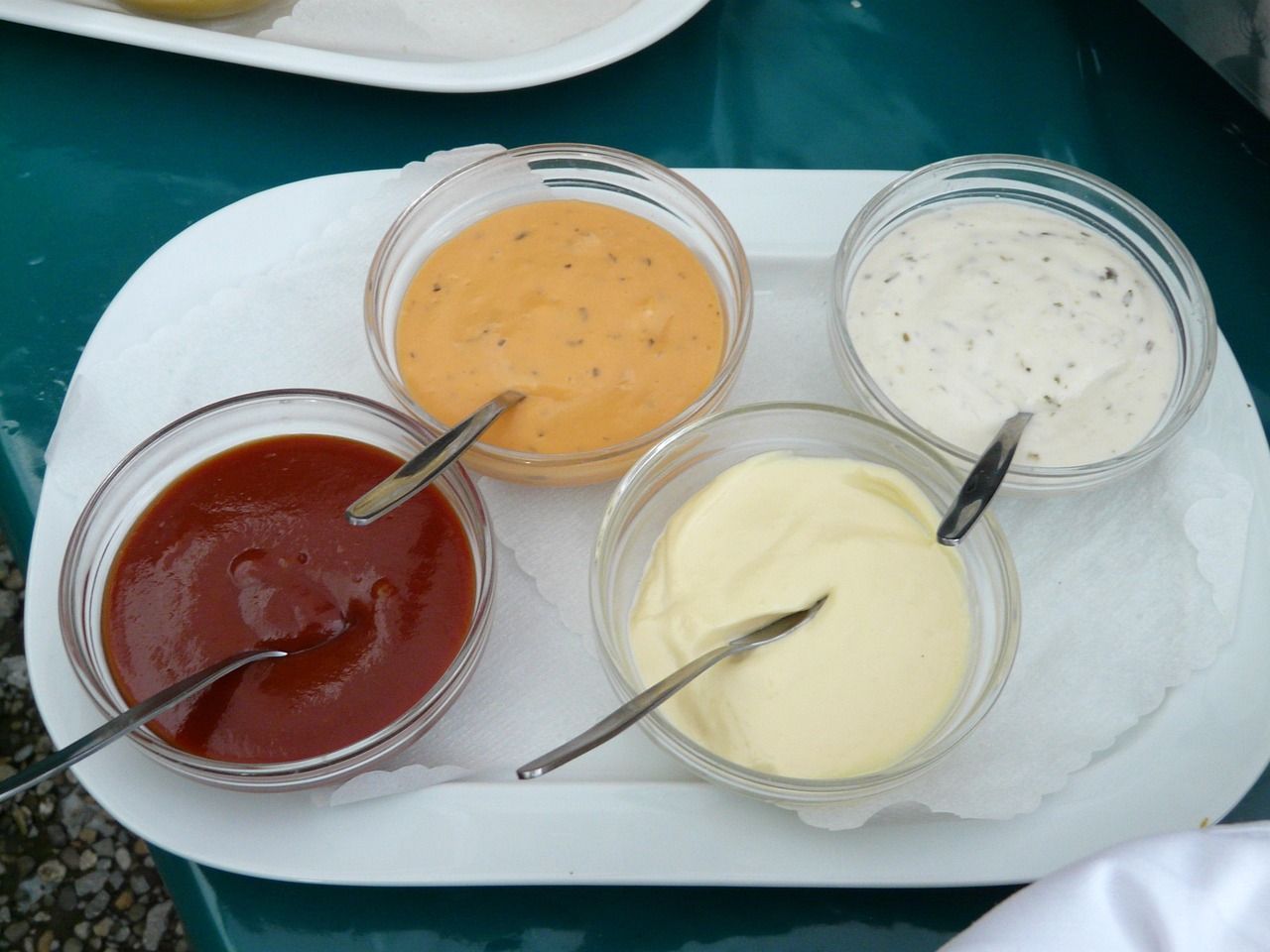
Overcoming Dips and Dressings Production Challenges
24 September 2025
Overcoming Dips and Dressings Production Challenges
Soup packaging
16 September 2025
Companies that manufacture soup in large volumes face significant challenges which need specialist expertise to overcome. Whether the company is manufacturing and supplying soup to supermarkets or scaling up from kitchen or small-scale production, the obstacles are the same: liquid handling, hygiene, packaging integrity, line flexibility, and automation. Flexi-Pak offers engineered solutions and support that address each of these issues. Liquid and Viscous Product Handling Soup lines must manage liquids with varying viscosities, particulate mixes (such as chunks, pasta, and grains), and hot-fill requirements. It is crucial that the packing machinery deployed maintains highly accurate portioning, ensuring that fill levels are precise and that splashing or product waste is minimised, especially at high speeds. Hygiene and Cleaning Standards Soup production must be conducted in a high-care environment to prevent contamination. The packing machinery, conveyors and other elements of the packing line, whether small or large, need to be constructed from easy-to-clean materials such as stainless steel and food-safe plastics. Clean-in-place (CIP) options and tool-free access are also desirable, and sometimes essential for audit purposes, as they reduce cleaning downtime and support regulatory compliance. Packaging Integrity and Leaks Seal quality and package design are crucial; failures cause leakage, spoilage, and costly product recalls. When designing a packing solution, the manufacturer must consider key factors such as compatible films and containers, calibrated sealing parameters, and effective moisture barriers. It is also essential to consider the strength and integrity of seals and containers, as weak seals or distorted containers can result in high wastage rates. Production Flexibility and Changeover Consumers want choice, and supermarkets, in particular, want to offer a broad range of products. This means that soup manufacturers are producing several different recipes in close succession. The challenge, therefore, is how to changeover quickly – not just the recipe, but also the portion sizes, packaging format, and container type. Minimising downtime and maintaining throughput is essential. It is also a significant challenge. The packing machinery deployed, therefore, needs to be easy to clean and adjust, and offer rapid recipe recall and instant resetting. Automation and End-of-Line Integration In most situations, manual labour involved in mass production leads to a bottleneck. Packing and labelling are two examples of where this can occur. Moving away from manual labour to an automated process can increase throughput, ensure uniformity and lower overheads. How Flexi-Pak Helps Engineering Managers and Directors Bespoke Machine Design Flexi-Pak are experienced in designing and manufacturing efficient and reliable rotary and linear pot filling machines, product depositors and conveyors tailored to exact production and container specifications. Custom systems can handle wet, chunky, or creamy soups with variable fill. Hygiene, Cleaning and Compliance When it comes to soup production, Flexi-Pak only uses stainless steel and food-grade plastics in its machinery, as this offers both easy cleaning and compliance. The company's machines feature tool-free access and optional CIP systems to minimise disruption and meet regulatory requirements. Seal Quality and Packaging Reliability Flexi-Pak supports optimised sealing parameters (temperature, pressure, dwell time) and robust compatibility between films, foils, and pre-formed containers, reducing leakage and distortion. The company's experienced engineers can assist with tooling calibration and design trials to match product needs. Fast Changeovers and Flexibility Flexi-Pak designs its machines and production lines to allow quick and easy size and recipe changeovers, instant PLC recipe recall, and easy adjustment for different formats. This flexibility suits soup operations with frequent changes and diverse product lines. Turnkey Project Management and Aftercare Flexi-Pak provides more than just single machines; the company can undertake end-to-end project management, from design and installation through maintenance and upgrades, including end-of-line packing systems (robotic case packing, tray loading, palletising, and integration with existing lines). Technical support, training, and maintenance contracts are also available to keep lines running smoothly and efficiently, thereby reducing unplanned downtime. Flexi-Pak's flexible engineering, focus on hygiene and reliability, rapid changeover capability, and complete support services address the main pain points faced by soup manufacturers. Custom packaging solutions, end-of-line automation, and a commitment to ongoing support make Flexi-Pak a partner of choice for engineering managers and company directors seeking performance, compliance and adaptability in modern soup packing operations. If you're considering upgrading or installing a new filling and packing line to work with soup or a similar liquid and need any help or advice, please don't hesitate to contact us – call 01427 612869 or email info@flexi-pak.co.uk
29 August 2025
Over the last few months, we’ve seen a significant increase in enquiries from companies wanting to specify a new packing line for instant or microwaveable oat porridge, so what are the key factors to take into account?